Blood-pressure-friendly meals while using GLP-1s
How GLP-1 appetite changes connect with blood-pressure-friendly food structure — without promising instant drops.
Use DASH as the default pattern
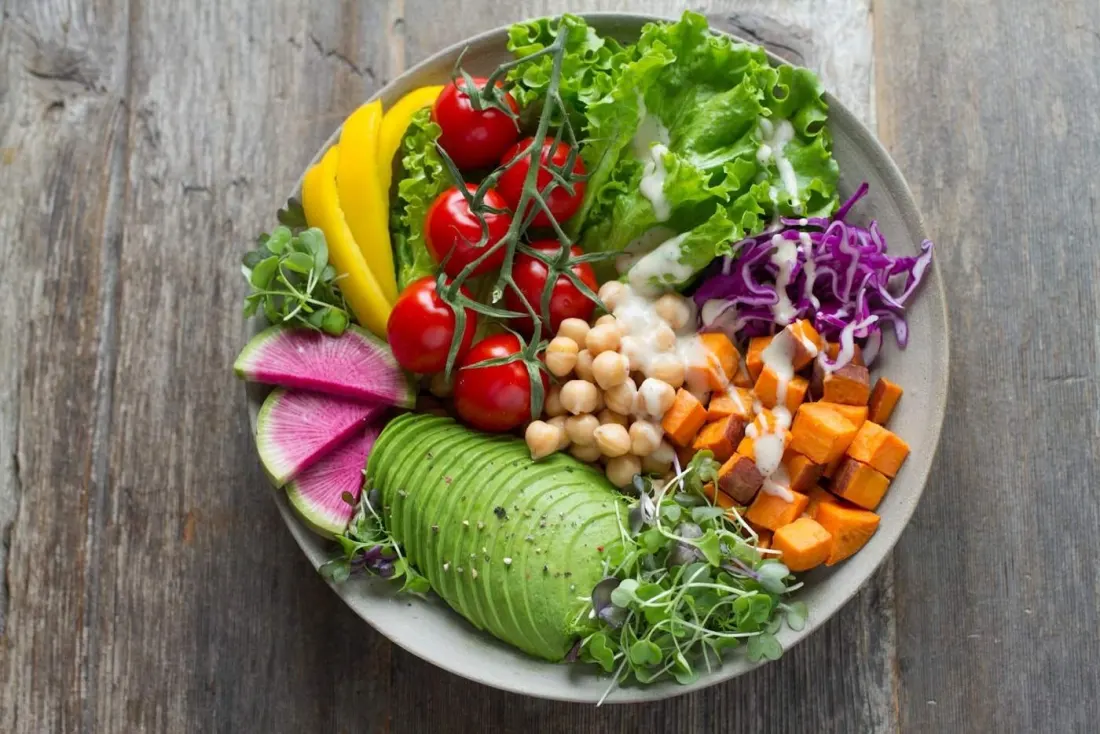
The NHLBI describes DASH as an eating plan built around vegetables, fruits, whole grains, low-fat dairy, fish, poultry, beans, nuts and vegetable oils, while limiting foods high in saturated fat, sugar-sweetened drinks and sweets. For someone using a GLP-1, that does not require a huge plate. It means the smaller plate still has a clear pattern.
- Choose vegetables or fruit daily, even if portions are smaller.
- Use beans, fish, poultry, eggs, tofu or yogurt as practical protein anchors.
- Keep high-sodium packaged foods as occasional backups, not the default.
Make low appetite work with lower sodium
Low appetite can push people toward snack foods because they are easy. The problem is that convenience foods can be high in sodium, which may work against a blood-pressure goal. Nutrition.gov points readers to federal high-blood-pressure nutrition resources, and CDC guidance encourages nutrient-dense patterns. A useful GLP-1 grocery list should include fast foods that are still blood-pressure-friendly.
- Buy no-salt-added or low-sodium canned beans, soups and vegetables when possible.
- Use frozen vegetables, prewashed greens and plain Greek-style yogurt for speed.
- Flavor with herbs, citrus, vinegar, garlic or spices before reaching for salty sauces.
Know what this cannot do
Food planning is not a replacement for blood-pressure care. If you take blood-pressure medication, diabetes medication or diuretics, a GLP-1 routine that changes appetite, hydration, vomiting or diarrhea can matter clinically. Track symptoms and readings as your clinician advises, and bring significant changes to your care team rather than trying to solve them with diet alone.
- Ask your clinician how often to monitor blood pressure during weight-loss treatment.
- Report dizziness, fainting, persistent vomiting or dehydration concerns.
- Use meal planning as support, not as a medication adjustment plan.
Common questions
Can meal planning replace blood pressure medication?
No. Food choices can support blood-pressure management, but medication changes and diagnosis belong with a licensed clinician.
Related reading
- How to lower blood pressure (internal)
- Blood pressure chart (internal)
- Protein calculator (internal)
What to verify
- Any promise that a single meal lowers blood pressure immediately
- Whether sodium-heavy convenience foods are replacing meals
- Whether concerning readings need clinical follow-up
Sources
- CDC high blood pressure facts
Public-health context for blood pressure.
- NHLBI DASH eating plan
NIH/NHLBI DASH eating plan guidance.
- Nutrition.gov: high blood pressure
Federal nutrition resource hub for high-blood-pressure nutrition information.
- CDC: tips for healthy eating for a healthy weight
CDC guidance on nutrient-dense eating patterns, protein foods, vegetables, fruits, dairy options and limiting added sugar and sodium.
Educational content only. This post is not medical advice, diagnosis, treatment guidance or a substitute for a licensed clinician.