How to lower blood pressure without instant tricks
Blood pressure usually moves through repeatable habits, not a one-time drink, gadget, or cleanse. The strongest evidence supports a DASH-style eating pattern, less sodium, regular activity, weight management when relevant, less alcohol, adequate sleep, stress management, and prescribed treatment. Expect progress over weeks or months—not minutes.
Start with changes that reliably move blood pressure
The American Heart Association estimates that, among people with hypertension, a DASH eating pattern may lower systolic pressure by about 11 mm Hg. Sodium reduction may lower it by roughly 5–6 mm Hg, regular physical activity by 5–8 mm Hg, weight reduction by about 5 mm Hg, and moderating alcohol by about 4 mm Hg. These are approximate research averages, not promises, and the effects should not simply be added together.
Time matters. In NHLBI’s original DASH trial, participants had lower blood pressure after eight weeks. In the DASH-Sodium trial, participants followed each sodium level for about one month, with progressively lower pressure as sodium decreased. Those were controlled feeding studies, so everyday results depend on how consistently the changes are followed.
Choose one or two changes you can repeat and track your readings according to the monitoring plan provided by your health care team. A single unusually good reading does not prove that a tactic works, just as one high reading does not show that a long-term plan has failed.
Build meals around DASH and find the sodium you do not see
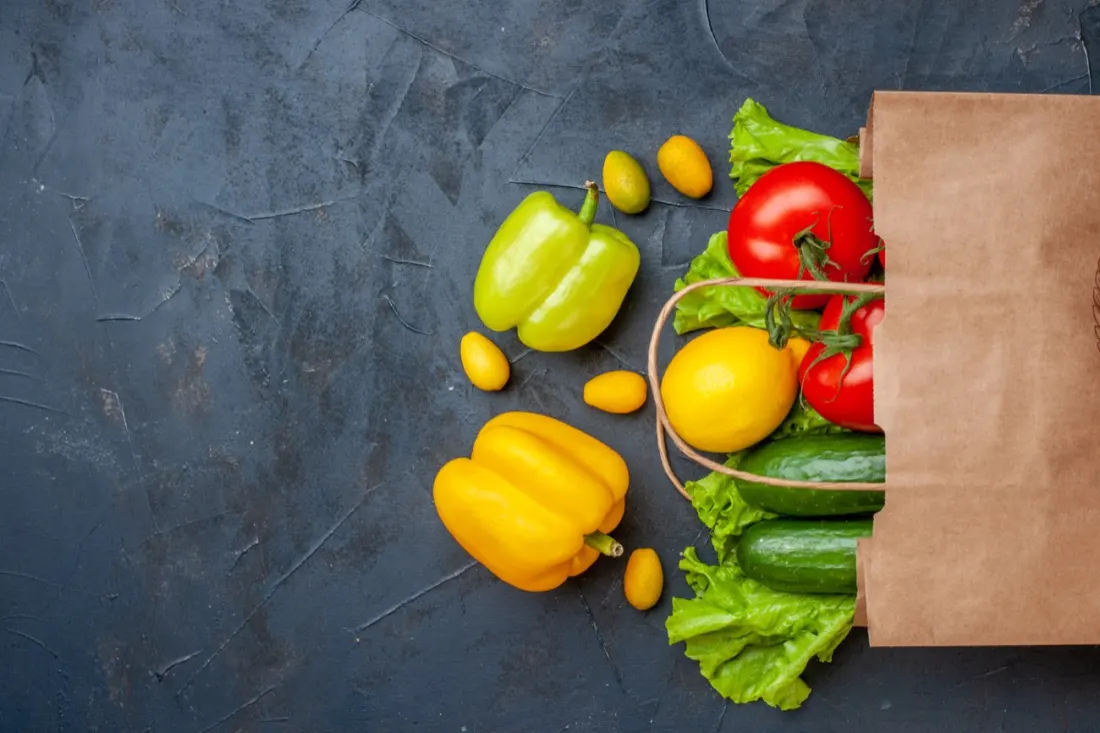
DASH emphasizes vegetables, fruits, whole grains, beans, nuts, low-fat dairy, fish, poultry, and other lean proteins while limiting sodium, saturated fat, sweets, and sugary drinks. NHLBI research found that combining DASH with lower sodium produced more benefit than either change alone, with the largest reductions among people who began with higher blood pressure.
The FDA’s Daily Value for sodium is less than 2,300 milligrams. On a Nutrition Facts label, 5% Daily Value or less per serving is considered low and 20% or more is high. Check the serving size before comparing products: eating two labeled servings doubles the listed sodium.
Start with foods that can contribute sodium repeatedly—soups, sandwiches, pizza, breads, sauces, packaged meals, deli meats, and savory snacks. Compare two versions of the same food rather than assuming that a “healthy” label means low sodium. “Reduced sodium” means at least 25% less than the regular version; it does not necessarily mean the final product is low in sodium. Choose no-salt-added canned vegetables when available, rinse canned beans or tuna, and use herbs or salt-free seasonings for flavor.
Accumulate activity and protect sleep
CDC guidance calls for at least 150 minutes of moderate-intensity activity each week—often framed as 30 minutes on five days. Brisk walking and bicycling are examples. If that is far above your current level, begin with manageable sessions and build toward the weekly total. The AHA’s approximate systolic reduction of 5–8 mm Hg reflects regular activity, not one strenuous workout.
Sleep belongs in the plan because regularly getting too little sleep is associated with higher risks of high blood pressure, heart disease, and stroke. Protect a consistent sleep window and tell a clinician about persistent sleep problems rather than treating sleep as optional recovery time.
Stress management can support the broader plan. CDC and AHA materials include stress reduction among recommended lifestyle measures. Breathing exercises, meditation, or yoga may help with stress, but they should complement—not displace—activity, diet, monitoring, and prescribed care.
Treat weight loss and GLP-1 therapy as longer-term tools
For adults with overweight or obesity, weight loss can improve blood pressure. NIDDK reports that losing 5%–10% of starting weight may lower blood pressure, blood sugar, and triglycerides. A useful plan focuses on sustainable eating, activity, sleep, and behavior rather than rapid scale changes.
GLP-1–based medications can help some eligible patients lose weight, and improved blood pressure may accompany that weight loss. They are not instant blood-pressure remedies and do not replace nutrition or physical activity. NIDDK reports that most medication-associated weight loss occurs during the first six months, while results, risks, and suitability vary by drug and person. Eligibility and continuation require an individualized discussion with a licensed prescriber.
Be skeptical of instant tricks
Beetroot juice has a plausible effect because it contains nitrate. A systematic review of seven trials involving 218 people with hypertension found an average systolic reduction of about 5 mm Hg over interventions lasting three to 60 days, but no statistically significant diastolic reduction. That is evidence of a possible modest adjunct—not proof that a beet shot can reliably correct a high reading or replace treatment.
Slow breathing may reduce stress, and a 2019 review found modest blood-pressure reductions. NCCIH notes that the studies had short follow-up, substantial differences in methods, and a high risk of bias; they did not establish fewer heart attacks or strokes. A paid breathing device is therefore not a substitute for the fundamentals.
Detox teas and cleanses have weaker support. NCCIH reports that human studies are few and generally low quality, with no compelling evidence that detox diets remove toxins. Some programs can cause dehydration or dangerous electrolyte imbalances, and products may contain hidden ingredients. No dietary supplement has demonstrated effects comparable to blood-pressure medication.
A practical first week
Use the first week to create repeatable defaults, not to overhaul everything at once. Keep prescribed medication on its existing schedule while you test lifestyle changes. Do not stop, skip, split, or change a blood-pressure medicine because a home reading improves or because an online remedy promises a rapid result.
Follow this checklist for seven days, then review what was realistic and repeat the parts you maintained:
- Choose two packaged foods you eat often and replace each with a lower-sodium version after comparing serving sizes and % Daily Value.
- Build at least one daily meal around vegetables or fruit, a whole grain or bean, and a lean protein consistent with a DASH-style pattern.
- Schedule five 30-minute moderate-activity sessions, or use shorter sessions that add up to 150 minutes across the week.
- If you drink alcohol, stay within CDC’s limit of no more than two drinks per day for men or one for women; drinking less or none avoids alcohol-related blood-pressure effects.
- Set a consistent sleep opportunity and note persistent snoring, awakenings, or daytime sleepiness to discuss with a clinician.
- Record blood-pressure readings only as instructed by your care team, alongside medication adherence and the changes you completed.
Medication and health decisions belong with your clinician
Lifestyle changes and medication are often used together. NCCIH advises people with hypertension to follow the treatment plan prescribed by their health care provider because doing so can prevent or delay serious complications. Contact the prescriber or pharmacist if cost, side effects, forgetfulness, or confusion is making adherence difficult; those problems call for a workable treatment review, not silent dose changes.
Direct all medication changes and personal health decisions to a licensed clinician.
Do not confuse a routine with an emergency plan
A breathing exercise, calm walk or lower-sodium meal may support a healthier routine, but it should not be used to avoid urgent care when a reading is severely high or symptoms are present. If you have chest pain, shortness of breath, weakness, confusion, severe headache or vision changes with a very high reading, use urgent medical guidance instead of an online trick.
- Recheck readings as your clinician or monitor instructions recommend.
- Write down symptoms, timing and medication context.
- Do not delay urgent care because a video suggested a home remedy.
The core levers CDC emphasizes
CDC prevention guidance focuses on healthy eating, maintaining a healthy weight, physical activity, not smoking, limiting alcohol and getting enough sleep. Those levers are practical because they can be repeated and monitored. They also interact: poor sleep can affect appetite, high-sodium meals can affect readings, and low activity can make weight and blood pressure goals harder to maintain.
- Pick one or two habits to track first instead of changing everything at once.
- Use a blood pressure log with notes on sleep, caffeine, alcohol, sodium and activity.
- Ask how often to monitor if you are also starting weight-loss treatment.
Use DASH as the food pattern
The NHLBI DASH eating plan is built around vegetables, fruits, whole grains, low-fat dairy where tolerated, fish, poultry, beans, nuts and vegetable oils, while limiting foods high in saturated fat, sugar-sweetened drinks and sweets. For someone using a GLP-1 or eating smaller portions, the practical version is a smaller plate with the same priorities: protein, produce, fiber and lower-sodium defaults.
- Choose lower-sodium pantry staples when possible.
- Use beans, fish, poultry, eggs, tofu or yogurt as simple protein anchors.
- Flavor with herbs, citrus, vinegar, garlic or spices before salty sauces.
Weight loss can help, but it is not the only variable
For some people, weight change can support blood pressure goals, but it is not a reason to self-adjust medication. Appetite changes, dehydration, vomiting, diarrhea, alcohol, sleep, sodium, activity and other medications can all affect how you feel and how readings look. If you are using or considering GLP-1 care, bring blood pressure readings into the treatment discussion rather than treating weight loss as a separate project.
- Track dizziness, fainting, dehydration or persistent gastrointestinal symptoms.
- Ask whether medication or monitoring should change as weight changes.
- Use the GLP-1 meal planning tools to support consistent intake, not crash dieting.
Make the plan small enough to repeat
The plan that works is usually the one you can repeat next week. Start with a reliable breakfast, two lower-sodium dinner defaults, a short walking routine, alcohol limits if relevant and a consistent measurement habit. Then adjust with your clinician based on actual readings rather than internet pressure.
- Build two default meals before chasing a full meal plan.
- Use activity you can repeat safely, even if it starts small.
- Review your log with a clinician if readings remain elevated.
Source check
Read the claim through the source first
Before acting on this topic, confirm what the official source says, what is still unknown and what belongs with a licensed clinician.
- Official source
- Date checked
- Clinical question
Common questions
How quickly can diet lower blood pressure?
Controlled NHLBI studies detected reductions after about one month of sodium changes and after eight weeks on DASH. Real-world results may take longer because meals are not provided and adherence varies.
How much can DASH realistically lower the top number?
The AHA estimates an average systolic reduction of about 11 mm Hg for people with hypertension. The result is an approximation, and starting pressure, sodium intake, medication, and consistency can change the response.
Does beetroot juice lower blood pressure immediately?
A review in people with hypertension found a modest average systolic benefit across studies lasting three to 60 days, not proof of a dependable instant effect. It did not find a statistically significant diastolic reduction, so beet juice should not be used to respond to a concerning reading.
Is a breathing device worth buying?
Evidence for slow breathing suggests possible modest, short-term effects, but NCCIH identifies short follow-up, inconsistent methods, and high risk of bias. Breathing can be a stress-management practice without treating a commercial device as a replacement for established care.
Can I stop medication after losing weight or improving my diet?
No medication change should be made from home readings alone. Lifestyle improvements may change treatment needs, but the prescriber needs to review repeated readings, side effects, other conditions, and the specific drug before altering the plan.
Can I lower blood pressure instantly?
Some calming actions may affect a single reading, but repeated high readings require proper measurement, clinical context and a care plan. Do not use instant-trick content to delay urgent care.
What foods help with blood pressure?
DASH-style eating emphasizes vegetables, fruits, whole grains, low-fat dairy where tolerated, fish, poultry, beans, nuts and lower-sodium choices. Personal sodium or potassium advice can differ for kidney disease, heart disease or medication reasons.
Should I change blood pressure medicine if I lose weight?
No. Medication changes should be made with a clinician. Weight change, symptoms and home readings can inform care, but they do not replace medical guidance.
Educational content only. This guide is not medical advice, diagnosis, treatment guidance or a substitute for a licensed clinician. Do not start, stop or change medication based on this page.