
What belongs on a DASH grocery list
DASH stands for Dietary Approaches to Stop Hypertension. It is a flexible eating pattern, not a collection of specialty foods or a rigid menu. The National Heart, Lung, and Blood Institute describes it as an approach centered on vegetables, fruits, whole grains, fat-free or low-fat dairy, fish, poultry, beans, nuts, seeds, and vegetable oils. It limits foods high in saturated fat, sugar-sweetened drinks, sweets, and excess sodium.
For context, NHLBI’s example for a 2,000-calorie diet includes 6–8 daily grain servings, 4–5 vegetable servings, 4–5 fruit servings, 2–3 servings of low-fat or fat-free dairy, no more than 6 servings of meat, poultry, and fish, and 2–3 servings of fats and oils. Nuts, seeds, dry beans, and peas appear 4–5 times per week. These are DASH serving units, not necessarily the portions you normally place on a plate, and they are an example rather than a personal prescription. Needs vary with calorie requirements and medical circumstances.
At the store, think in categories instead of trying to hit every serving precisely. Cover produce, fiber-rich carbohydrates, protein, dairy or an appropriate alternative, cooking fats, and flavorings. A useful cart supports several balanced meals without demanding unfamiliar recipes. DASH works best as an overall pattern, so one higher-sodium item does not make the entire grocery trip a failure.
- Vegetables and fruit
- Whole grains, beans, lentils, and peas
- Fish, poultry, eggs, tofu, nuts, and seeds
- Fat-free or low-fat dairy when appropriate for you
Plan meals before writing the list
A short meal plan makes the grocery list more useful. Choose two breakfasts, two lunches, and three dinners that you can repeat, combine, or turn into leftovers. Then list the ingredients those meals actually require. This approach reduces the chance of buying a large assortment of healthy foods without a practical way to use them.
Build each meal around a few anchors. Oatmeal, fruit, and plain lower-fat yogurt can cover breakfast. A grain bowl might combine brown rice, frozen vegetables, no-salt-added beans, and a simple dressing. Dinner could use fish or skinless poultry with vegetables and a whole grain. These are examples, not mandatory combinations. Your preferences, culture, cooking skills, schedule, and budget determine which foods are sustainable.
Check the refrigerator, freezer, and pantry before shopping. If brown rice and lentils are already available, the list may only need produce, a protein, and flavorings to turn them into meals. Include one or two backup meals for days when cooking feels unrealistic. Plain oatmeal, frozen vegetables, precooked unseasoned grains, lower-sodium canned beans, or a packaged soup selected by comparing labels can provide useful flexibility.
Finally, match quantities to your week. Buying three vegetables you regularly eat is more practical than buying ten varieties that may spoil. Variety can develop over multiple shopping trips; it does not have to appear in one cart.
- Pick a small set of repeatable meals
- Check food already at home
- List ingredients by grocery department
- Include at least one low-effort backup meal
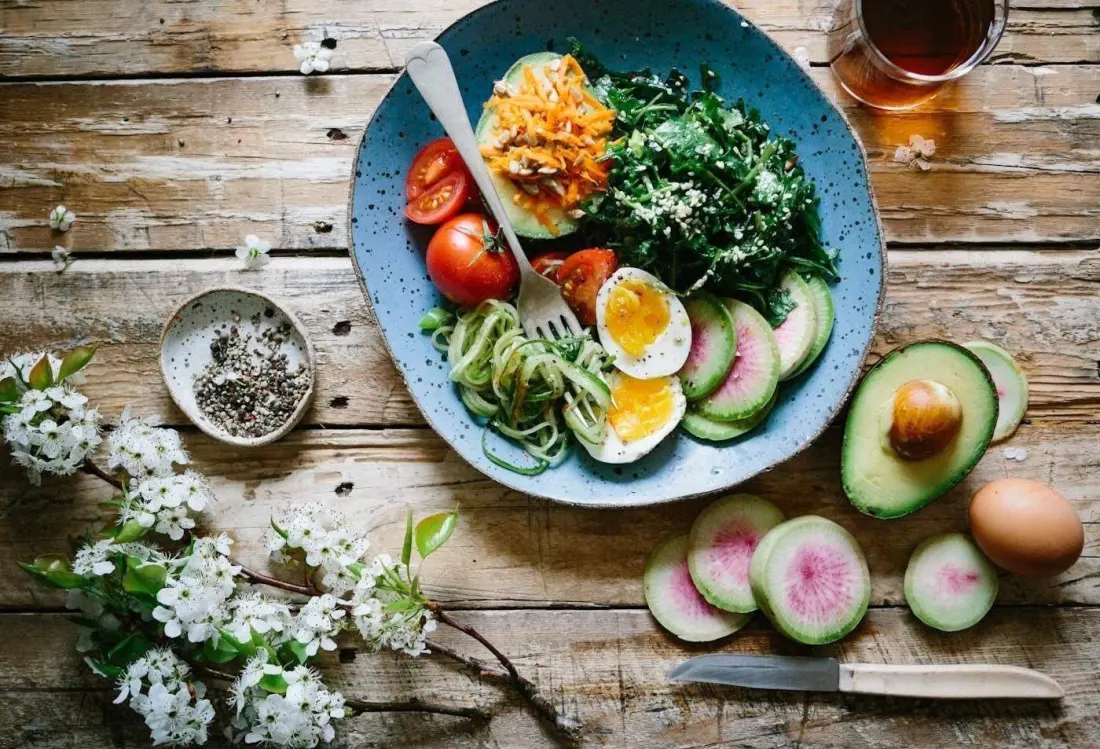
Shop produce, whole grains, and beans
Fresh produce can fit DASH, but it is not the only workable form. Plain frozen fruits and vegetables are convenient and can reduce preparation time. Canned vegetables and beans can also work when you compare sodium and favor no-salt-added or lower-sodium versions. NHLBI notes that rinsing foods packed in brine can remove some sodium. For canned fruit, compare labels and choose options with less added sugar, such as fruit packed in water or its own juice when available.
Choose produce you know how to prepare. Leafy greens, carrots, tomatoes, peppers, broccoli, berries, apples, bananas, citrus, and frozen vegetable blends are possibilities rather than a required checklist. Different colors and types help create variety, but there is no single best DASH fruit or vegetable.
For grains, look for oatmeal, barley, brown rice, whole-wheat pasta, and breads or cereals that list a whole grain prominently in the ingredients. The Nutrition Facts label can help you compare dietary fiber between similar products. Beans, lentils, and peas are especially versatile because they contribute both fiber and protein. Dried versions typically allow direct control over added salt, while canned versions save time.
If your current diet is relatively low in fiber, change gradually. MedlinePlus notes that adding a large amount of fiber quickly can cause gas, bloating, or abdominal cramps. Introduce additional beans, whole grains, fruits, and vegetables in manageable steps, and ask a clinician about fluid needs if you have been given a fluid restriction.
- Fresh, frozen, or appropriately labeled canned produce
- Oats, brown rice, barley, and whole-grain breads or pasta
- No-salt-added beans, lentils, and peas
- Fruit without heavy syrup or substantial added sugar
Add proteins, dairy, fats, and flavor
You do not need every DASH protein source in the same week. Select a few that fit your meals: fish, skinless poultry, eggs, beans, lentils, tofu, unsalted nuts, or seeds. For meat and poultry, unseasoned options usually give you more control over sodium than cured, smoked, brined, or heavily seasoned products. Packaged plant-based proteins can vary substantially in sodium, so compare their labels rather than assuming every vegetarian product is automatically a lower-sodium choice.
DASH commonly includes fat-free or low-fat milk, yogurt, and other dairy products. Plain or unsweetened versions can help limit added sugars. Lactose-free dairy can still fit for people who tolerate it better. If you use a nondairy alternative, review its Nutrition Facts label because protein, calcium, vitamin D, added sugar, and sodium differ among products.
Vegetable oils, including olive or canola oil, fit the DASH pattern. Nuts, seeds, avocado, and nut or seed butters can also provide unsaturated fats, although salted and sweetened versions may add sodium or sugar. DASH emphasizes limiting saturated fat rather than removing all fat.
Flavor is an important part of the cart. Garlic, onion, citrus, vinegar, pepper, fresh or dried herbs, and salt-free seasoning blends can make basic ingredients more satisfying. Be cautious with potassium-based salt substitutes if you have kidney disease or take medicines that affect potassium; NIH advises discussing these products with a healthcare professional first.
- Unseasoned fish, poultry, eggs, tofu, or legumes
- Unsalted nuts, seeds, and nut or seed butters
- Plain fat-free or low-fat dairy when appropriate
- Herbs, spices, citrus, vinegar, and salt-free blends
Use the Nutrition Facts label for packaged foods
Front-of-package phrases can be useful, but the Nutrition Facts panel gives you a consistent way to compare products. Begin with serving size because the calories and nutrient amounts on the label apply to that quantity. If two products use different serving sizes, compare equivalent amounts before deciding which is lower in sodium or higher in fiber.
Next, check sodium. NHLBI’s standard DASH pattern limits sodium to 2,300 milligrams per day and also describes a 1,500-milligram option. These are daily totals, not limits for each individual food. A personal sodium goal may depend on your health and clinician’s guidance.
The FDA’s Percent Daily Value provides a quick screening tool: 5% Daily Value or less per serving is considered low, while 20% or more is considered high. These cutoffs apply to individual nutrients. For DASH shopping, compare similar breads, soups, sauces, canned foods, frozen meals, and condiments for sodium. Then look for more dietary fiber and less saturated fat and added sugar when the products serve the same purpose.
A label does not need to be perfect. A food with moderate sodium may still fit when the serving is realistic and the rest of the meal is mostly lower-sodium ingredients. The practical question is whether the product improves the meal and compares favorably with alternatives you will actually eat. This turns label reading into a comparison tool instead of a pass-or-fail test.
- Check serving size first
- Compare equivalent portions
- Use 5% DV as low and 20% DV as high
- Review sodium, fiber, saturated fat, and added sugars
Adapt the list to appetite and medical needs
A standard DASH list is not appropriate for every medical situation without adjustment. DASH is naturally rich in potassium because it emphasizes fruits, vegetables, beans, nuts, and dairy. People with chronic kidney disease may need individualized limits for potassium, phosphorus, protein, sodium, or fluids. NIH also notes that certain blood-pressure medicines can increase the risk of high potassium. A clinician or registered dietitian can help determine whether standard DASH choices or potassium-containing salt substitutes fit your situation.
Medication can also affect how a grocery list works in practice. MedlinePlus lists reduced appetite, nausea, vomiting, diarrhea, abdominal discomfort, and constipation among possible effects of GLP-1 receptor agonists. If you use one of these medicines, buying smaller quantities and keeping simple meal components available may be more manageable when appetite varies. That could mean plain oatmeal, yogurt if tolerated, frozen vegetables, rice, eggs, beans, or another protein you can prepare in a small portion. Tolerance differs, so no universal list can predict which foods will feel comfortable.
Contact the prescribing clinician when side effects are bothersome, severe, persistent, or interfere with eating or drinking. Do not use a DASH grocery plan to change, skip, or adjust medication.
Individual guidance is also important during pregnancy, with diabetes treated by medication, with an eating-disorder history, or whenever you have been told to restrict a nutrient or fluid. The safest list is one that supports both DASH principles and your established medical care.
- Follow existing potassium or fluid restrictions
- Check salt substitutes with a clinician when relevant
- Keep simple foods for variable appetite
- Involve the prescriber when medication effects limit intake
Common questions
Does following DASH mean eating completely salt-free food?
No. NHLBI describes a standard DASH limit of 2,300 milligrams of sodium per day and an optional 1,500-milligram pattern. Those are total daily amounts, not a requirement that every food contain zero sodium. Compare packaged foods, use lower-sodium choices where practical, and confirm your personal target with a clinician when you have hypertension, kidney disease, or medication-related considerations.
Can frozen and canned foods go on a DASH grocery list?
Yes. Plain frozen fruits and vegetables can make meal preparation easier. Canned vegetables and beans can fit when you compare sodium and favor no-salt-added or lower-sodium products; rinsing foods packed in brine can remove some sodium. For canned fruit, compare added sugars and look for fruit packed in water or its own juice when available.
Is DASH a weight-loss diet, and can it be used with a GLP-1 medication?
DASH is a heart-healthy eating pattern rather than a specific calorie prescription. Weight change depends on factors that include total intake and individual needs. DASH-style foods may be used alongside GLP-1 treatment, but appetite and digestive effects can change what is tolerable. A prescriber or registered dietitian can help adapt the pattern without changing medication instructions.
This content is for general education and is not medical advice, diagnosis, or treatment. Consult a licensed clinician before changing your diet, medication, supplements, or blood-pressure care, especially if you have a medical condition or nutrient restriction.