
Why restaurant meals may feel different
GLP-1 receptor agonists and related incretin medicines do not make restaurant food off-limits, but they can change how a meal feels. These medicines can reduce appetite, and semaglutide is one example that slows the movement of food through the stomach. Common effects across the class include nausea, vomiting, diarrhea, abdominal pain, constipation, and loss of appetite. Your exact experience depends on the medicine and on you; some people have few symptoms, while others notice that a previously normal portion suddenly feels too large.
That is why the useful question is not, “What is the perfect GLP-1 meal?” It is, “What amount and type of food feel comfortable while still helping me eat well?” A restaurant’s serving size is not a signal of how much your body needs. You can stop before the plate is empty, and you do not need to compensate or apologize.
Start by noticing your recent pattern: when you tend to feel full, which foods have been reliable, and which meals have preceded nausea, reflux, bloating, constipation, or diarrhea. Use that pattern as a planning clue, not a rigid ban list. If symptoms are new, persistent, or hard to manage, contact your prescriber instead of trying to solve them only by changing restaurant orders.
- Notice which foods and portions have recently felt comfortable.
- Expect your appetite and tolerance to vary from one occasion to another.
- Use your exact medication guide for product-specific warnings.
Restaurant portions are often larger than the amount that feels good on a GLP-1 medicine, so decide how you will control the portion before discomfort starts.
Build a small but useful plate
When appetite is small, begin with the part of the meal that may be harder to fit in later. For many people, that is a tolerated protein food such as fish, chicken, eggs, tofu, beans, lentils, or yogurt. A 2025 joint advisory from major nutrition and obesity organizations identifies adequate protein as an important part of nutrition support during GLP-1 therapy, but it also emphasizes personalized assessment. There is no single restaurant protein target that fits every body, health condition, or day.
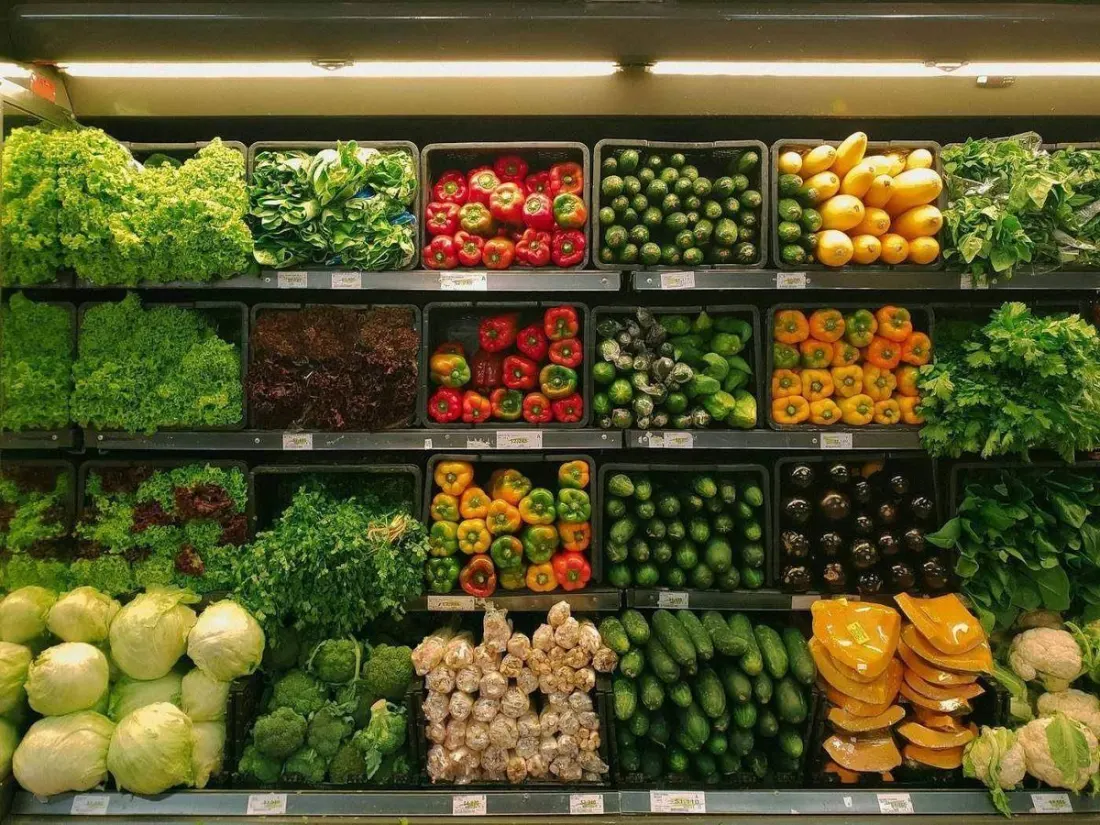
Then add vegetables, fruit, beans, or whole grains when they feel comfortable. CDC healthy-eating guidance includes protein foods, vegetables, fruits, healthy fats, and whole grains in a nutrient-dense pattern. Fiber-containing foods support general nutrition, but a sudden increase can be uncomfortable, and the joint advisory notes that high-fiber foods may need temporary adjustment during gastrointestinal symptoms. A large raw salad is not automatically the best choice when you are already nauseated or bloated.
Think “small and useful,” not “perfect.” A few bites of a protein food plus a tolerated side may be more realistic than ordering a large balanced plate you cannot comfortably eat. If you have kidney disease, are pregnant, have diabetes with changing food intake, or have a history of disordered eating, ask a licensed clinician or registered dietitian to individualize the plan. Those situations can change what “enough” or “appropriate” means.
- Start with a protein food you already tolerate.
- Add produce or another fiber-containing food as symptoms allow.
- Do not force a large salad or a universal protein target.
Control the portion before it controls the evening
Restaurant portions are often larger than the amount that feels good on a GLP-1 medicine, so decide how you will control the portion before discomfort starts. You can order an appetizer-sized dish, split an entrée, ask for a lunch portion, or request a takeout box early. None of those choices requires a medication explanation. The serving can become two meals even if everyone else finishes theirs.
Pace matters as much as plate size. Take a few bites, pause, and notice whether hunger has shifted to comfortable satisfaction, pressure, nausea, or sudden fullness. The 2025 joint advisory recommends smaller meals, slower eating, and stopping when full as practical ways to manage gastrointestinal effects. Continuing because food is expensive, special, or still on the plate can turn mild fullness into a miserable evening.
Preparation is another adjustable lever. Fried, very fatty, heavily spiced, or rich foods can worsen symptoms for some people, especially when nausea or reflux is active. Grilled, baked, steamed, roasted, or simply prepared choices may feel easier, while sauce or dressing on the side lets you control richness without banning flavor. These are experiments, not moral categories: a creamy dish is not “bad,” and a grilled dish is not guaranteed to feel good. Keep track of repeat patterns. If one preparation reliably causes trouble, choose a quieter alternative next time and discuss persistent symptoms with your clinician.
- Split, downsize, or box part of the meal early.
- Eat slowly enough to notice rising fullness.
- Treat preparation methods as experiments, not food rules.
Account for sodium, fluids, and alcohol
If blood pressure is part of your health picture, restaurant nutrition deserves a second look beyond calories. NHLBI’s DASH eating plan limits sodium to 2,300 milligrams per day, with 1,500 milligrams as a lower option. That is a whole-day framework, not a rule that every diner must adopt. Follow the target your clinician has recommended for you, especially if kidney, heart, or other conditions affect fluid or sodium guidance.
When nutrition information is available, compare sodium between realistic choices. Broths, soups, cured or smoked meats, pickled foods, cheese, soy sauce, dressings, and other sauces can add substantial sodium. Useful requests include sauce on the side, no added salt when feasible, or fruit or vegetables instead of a salty side. A request may not remove sodium already built into a recipe, so posted information is more informative than assuming a dish is low-sodium because it looks light.
Fluids and alcohol also need context. Vomiting and diarrhea can contribute to dehydration, but some people have medical reasons to follow a specific fluid plan. If you drink alcohol and have diabetes, the risk of low blood sugar is especially important when insulin or a sulfonylurea is also involved; eating less than expected can add uncertainty. Ask your clinician what fits your medicines and history. You can always order a nonalcoholic drink without making it a discussion.
- Use your clinician’s sodium and fluid targets when you have one.
- Compare sauces, soups, and cured foods when sodium information is posted.
- Get individualized alcohol guidance if diabetes medicines are involved.
Keep the conversation simple—and recognize red flags
The social part can stay ordinary. “I’m starting with something light.” “I’m full, but it was good.” “I’m taking the rest home.” These are complete answers. You can share your medication history if you want support, but you do not need to turn dinner into a health update. Keeping one plain backup in mind—such as rice, toast, fruit, eggs, or another food you tolerate—also makes it easier to stop an order that is not working.
Know the line between an inconvenient meal and a medical problem. MedlinePlus advises contacting a health professional when GLP-1 side effects bother you. For semaglutide, ongoing upper or middle abdominal pain that may spread to the back, with or without vomiting, requires immediate clinician contact or emergency care; severe stomach or intestinal problems are also listed as serious. Repeated vomiting, inability to drink enough, very low urination, extreme thirst, weakness, light-headedness, or fainting can signal dehydration and need prompt medical attention. Trouble breathing or swallowing is an emergency.
Warnings differ across products, so read the medication guide for the exact medicine you use. If restaurant meals repeatedly trigger pain, vomiting, or an inability to meet basic food and fluid needs, do not keep testing menu hacks. Contact your prescriber. Planning is meant to make normal social meals easier, not to mask symptoms that deserve clinical evaluation.
- Use short, ordinary answers when someone comments on your plate.
- Stop the meal if symptoms begin instead of trying to push through.
- Seek prompt care for serious pain, repeated vomiting, dehydration signs, or breathing difficulty.
Common questions
Is ordering only an appetizer okay on a GLP-1?
It can be a practical portion option when it contains food you tolerate and fits your overall nutrition needs. If a small appetite regularly prevents adequate food or fluid intake, discuss it with your clinician or a registered dietitian.
What can I say when people ask why I am eating so little?
Try a brief answer such as, “I’m full,” “I’m starting light,” or “I’m saving the rest.” You can disclose your medication if you want to, but a social meal does not require a medical explanation.
What should I do if nausea starts during the meal?
Stop eating, move away from strong food smells if possible, and follow the symptom plan provided by your clinician. Seek prompt medical help for severe or persistent abdominal pain, repeated vomiting, trouble keeping fluids down, dehydration signs, or other symptoms identified as serious in your medication guide.
This information is educational and is not medical advice, diagnosis, or treatment guidance. A licensed clinician or registered dietitian can help adapt restaurant choices to your medication, symptoms, and medical history.