
Why poor sleep can make eating feel harder
Poor sleep can make late-night eating feel less like a clear choice and more like a reaction. Sleep supports attention, decision-making, mood, and normal hunger regulation. When sleep is short or repeatedly interrupted, you may wake tired, have less energy for planning, and spend more hours awake around food. That changes the setting in which choices happen; it does not prove that you lack willpower or guarantee that you will overeat.
The evidence supports a connection, but not a simple rule. In a 2023 randomized crossover trial, 24 young adults completed three nights with either five or eight hours of sleep. During sleep restriction, ratings of hunger, desire for fatty foods, sleepiness, and fatigue were higher. Participants also obtained more energy and carbohydrate from snacks, although total daily intake did not differ between conditions. The small, young sample and short experiment limit how broadly the result applies, but it illustrates why one poor night is not destiny and repeated short sleep can still matter.
NIH sources also describe sleep as part of the systems that regulate hunger and fullness. Those systems involve hormones, brain responses, mood, opportunity, and habits—not one “hunger hormone” acting alone. A useful takeaway is that sleep loss can increase pressure around eating while leaving room for individual variation. Treat a louder evening appetite as information about your whole day, not as a moral failure.
- Sleep loss can influence appetite without determining what you will eat.
- Research findings describe average responses; your experience may differ.
Choose one low-risk experiment that matches the pattern you found.
Hunger, cravings, and nighttime eating are not the same thing
Physical hunger and a craving are related, but they are not identical. A useful, non-diagnostic distinction is that hunger often builds gradually and may be satisfied by several foods. A craving is usually more specific: you want a particular taste, texture, or experience. When you are tired, both can be present at once. You might truly need food and also feel especially drawn to something sweet, salty, or rich.
Context helps you sort them out. Ask whether you ate regular, satisfying meals; whether dinner was enough; whether stress or boredom rose in the evening; and whether being awake later than usual simply created another chance to eat. Also notice what happens after eating. Feeling physically settled after a varied snack may point toward hunger. Continuing to search for one exact food despite being comfortably full may look more like a craving. These observations are clues, not tests.
Late-night eating itself is not automatically a health problem. Your schedule, culture, work shift, exercise timing, medical conditions, and medications all affect when food fits. The more useful question is whether the pattern is intentional and works for you, or whether it repeatedly disrupts sleep, causes physical discomfort, feels out of control, or creates distress. Avoid turning the clock into a rigid food rule. Instead, identify what the eating episode is doing—meeting hunger, providing stimulation, soothing stress, or responding to a routine cue—so the response matches the need.
- Hunger and a specific craving can occur together.
- Meal timing alone does not establish that an eating pattern is unhealthy.
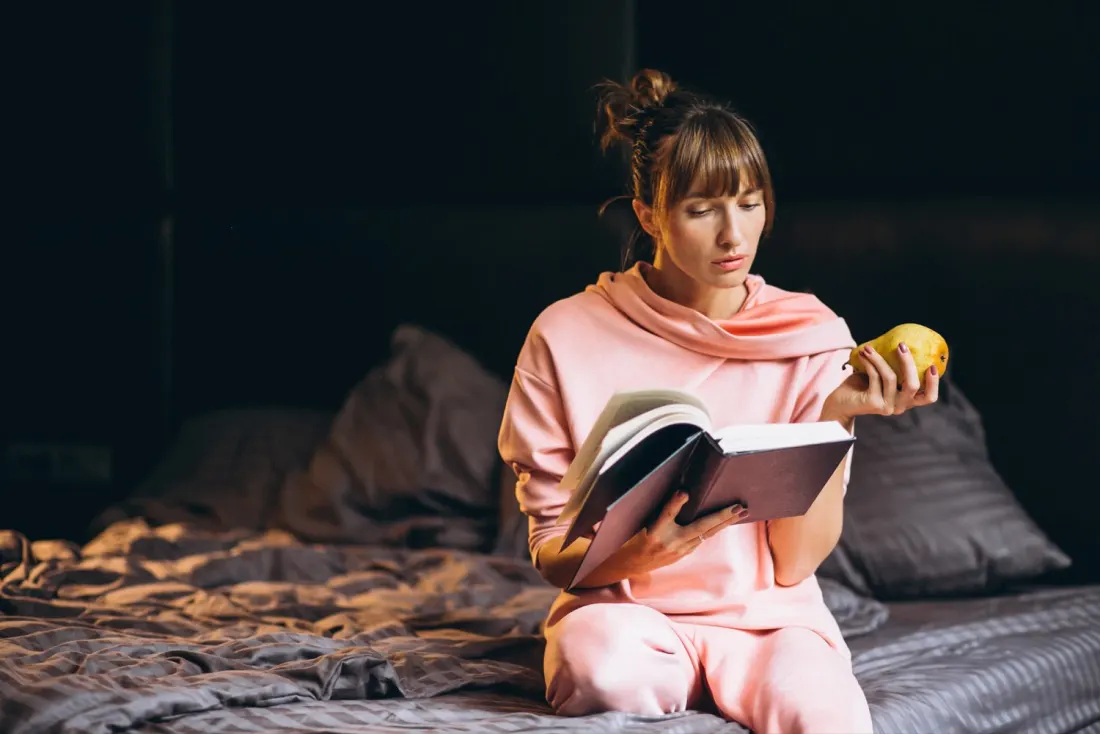
Trace the craving backward through your day
Trace the pattern backward before trying to “win” a craving at midnight. Start with sleep timing and quality: when you went to bed, how often you woke, when you got up, and whether you felt refreshed. CDC guidance says adults ages 18–60 generally need at least seven hours of sleep, while also emphasizing that quality matters. Repeated waking and feeling tired despite enough time in bed are signs of poor sleep quality.
Then review the daytime setup. Note meal and snack timing, caffeine, alcohol, activity, stress, and evening hunger. NHLBI says caffeine can interfere with sleep for up to eight hours, so late-afternoon coffee can matter for some people. Alcohol may make falling asleep feel easier, yet it can produce lighter sleep and more nighttime waking. NHLBI also advises avoiding heavy or large meals within a few hours of bedtime while noting that a light snack can be reasonable.
Look for loops rather than single causes. Late caffeine may delay sleep; a late bedtime adds waking time; fatigue the next day may reduce planning; and an under-fueled or stressful day may make the evening harder. Shift work can create a different loop because work time conflicts with the body clock. In that case, NHLBI suggests limiting caffeine to the first part of the shift and reducing light and noise during daytime sleep. Your notes should help reveal which link is most changeable, not produce a perfect diary.
- Record sleep quality as well as total hours.
- Include caffeine, alcohol, meals, stress, activity, and evening hunger.
Use one small experiment instead of a strict nighttime rule
Choose one low-risk experiment that matches the pattern you found. If your schedule varies widely, make bedtime and wake time more consistent. If caffeine runs late, move it earlier. If the hour before bed is stimulating, create a quieter wind-down and reduce bright screens. If you regularly reach evening genuinely hungry, plan a satisfying dinner or an intentional snack that fits your nutrition needs instead of relying on an absolute ban. NHLBI and CDC both support consistent sleep timing, a calm sleep environment, and avoiding large meals and alcohol before bed.
Change one main variable at a time when practical. Keep brief notes on bedtime, wake time, awakenings, caffeine, alcohol, meal timing, stress, activity, cravings, and any relevant symptoms. Record enough detail to spot repeats, but do not turn tracking into another source of anxiety. A pattern such as “cravings are strongest after short sleep plus a missed afternoon meal” is more useful than a judgment such as “I was bad again.”
Judge the experiment by more than whether you ate at night. Ask whether the craving felt less urgent, whether the choice felt deliberate, whether you slept more continuously, and whether you functioned better the next day. If nothing changes, that is useful information: the first hypothesis may have been wrong, or a sleep, medical, medication, or eating concern may need professional assessment. Better sleep can support a weight-management plan, but it is not a guaranteed weight-loss treatment and does not replace adequate nutrition, movement, stress support, or medical care.
- Match the change to the pattern you observed.
- Measure urgency, sleep continuity, and daytime function—not just nighttime eating.
Where GLP-1 medications may fit into the pattern
If you use a GLP-1 medication, do not assume that every appetite change or nighttime eating episode comes from either sleep or the drug. Both may be relevant, and gastrointestinal symptoms can alter when and how much you feel able to eat. For one current example, FDA prescribing information for semaglutide lists nausea, vomiting, diarrhea, constipation, abdominal pain, indigestion, and reflux among reported gastrointestinal effects. Other GLP-1 products have their own labels, indications, and safety information.
Track the sequence rather than adjusting treatment yourself. Note sleep timing, meals, fullness, cravings, nausea, reflux, constipation, and when symptoms occur relative to your prescribed medication routine. A day of eating very little because of nausea may end with hunger at an unusual time; reflux after a large late meal may disturb sleep; and poor sleep may make the next evening harder. Those are possibilities to discuss, not proof of a cause.
Bring the pattern to the licensed clinician managing your medication. They can consider the exact product, your health history, other medicines, hydration and nutrition needs, and whether symptoms require evaluation. A registered dietitian familiar with GLP-1 care may also help you build meals or snacks that are nutritionally adequate and tolerable. Do not change a dose, schedule, or formulation based on cravings, online advice, or this article. Seek timely medical guidance for severe, persistent, or worsening symptoms, and follow the medication’s official instructions for urgent warning signs.
- Check the information for your exact medication rather than assuming all GLP-1 products are alike.
- Discuss symptom timing with the clinician managing your treatment.
When nighttime eating or poor sleep needs professional attention
Routine changes are reasonable when the problem is occasional, but persistent sleep trouble deserves a clinical conversation. Contact a licensed clinician if you regularly struggle to fall asleep, wake repeatedly, remain unrefreshed despite enough time in bed, or have significant daytime sleepiness. Loud snoring, witnessed breathing pauses, or waking while gasping can be signs that sleep-disordered breathing needs evaluation. MedlinePlus notes that sleep studies may be used when symptoms suggest conditions such as sleep apnea, insomnia, restless legs syndrome, or narcolepsy; the right test depends on the suspected problem.
Also describe exactly what “night eating” means. Choosing a snack while fully awake is different from repeatedly waking to eat because you feel unable to return to sleep, and both differ from involuntary eating after a partial arousal with limited awareness or memory. The American Academy of Sleep Medicine identifies sleep-related eating as a parasomnia and distinguishes it from fully aware night eating. Recurrent episodes, injuries, unsafe food preparation, eating nonfood substances, loss of control, or marked distress warrant professional assessment rather than stricter food rules.
Bring a short record of sleep, awakenings, eating episodes, daytime sleepiness, snoring or gasping reports, caffeine and alcohol timing, and relevant medication symptoms. Mention effects on driving, work, mood, blood pressure care, or daily function. A clinician can assess sleep, medical, medication, and eating-related contributors without assuming one explanation. The goal is not to earn a diagnosis; it is to make a persistent or risky pattern specific enough to evaluate safely.
- Seek evaluation for persistent sleep trouble, gasping, loud snoring, or major daytime sleepiness.
- Report nighttime eating that occurs with limited awareness, injury risk, loss of control, or distress.
Common questions
Does one bad night of sleep automatically cause cravings or overeating?
No. One poor night may leave you more tired or hungry, but it does not determine what you will eat. Experimental studies show average changes in appetite and snacking after sleep restriction, with meaningful variation between people. Look for repeated patterns across sleep, meals, stress, and cravings rather than treating one night as proof.
Do I need to stop eating after a specific time?
There is no universal clock time that works for everyone. NHLBI advises avoiding heavy or large meals within a few hours of bedtime but says a light snack can be reasonable. Your work schedule, hunger, reflux, diabetes care, nutrition plan, and medications may affect what timing is appropriate. Ask your clinician or dietitian if you need individualized guidance.
Can better sleep reduce cravings or help with weight loss?
It may make appetite management and deliberate choices easier, but it is not a guaranteed weight-loss method. A randomized trial in adults with overweight found that extending sleep reduced objectively measured energy intake, while other studies show that responses to sleep restriction vary. Sleep works alongside nutrition, movement, stress support, and appropriate medical care.
This content is for education only and is not medical advice, diagnosis, or treatment. Consult a licensed clinician before changing medication, nutrition, exercise, supplements, or care for sleep or blood pressure.